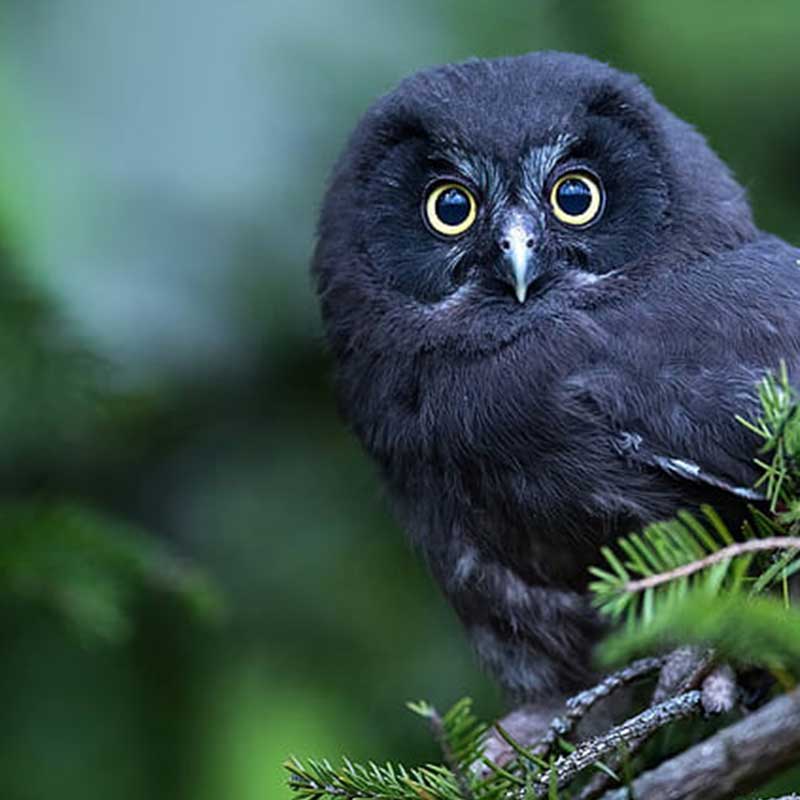
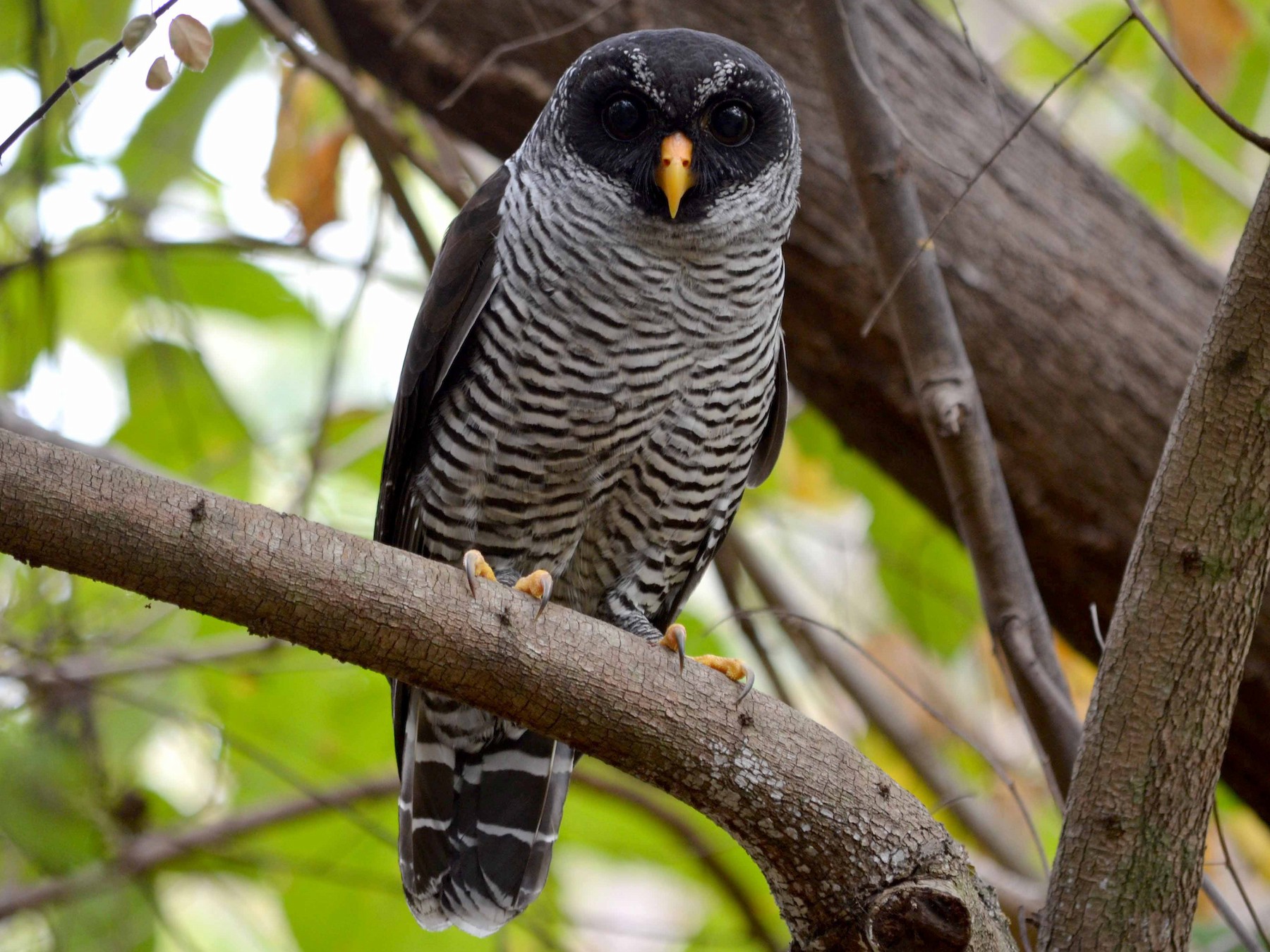
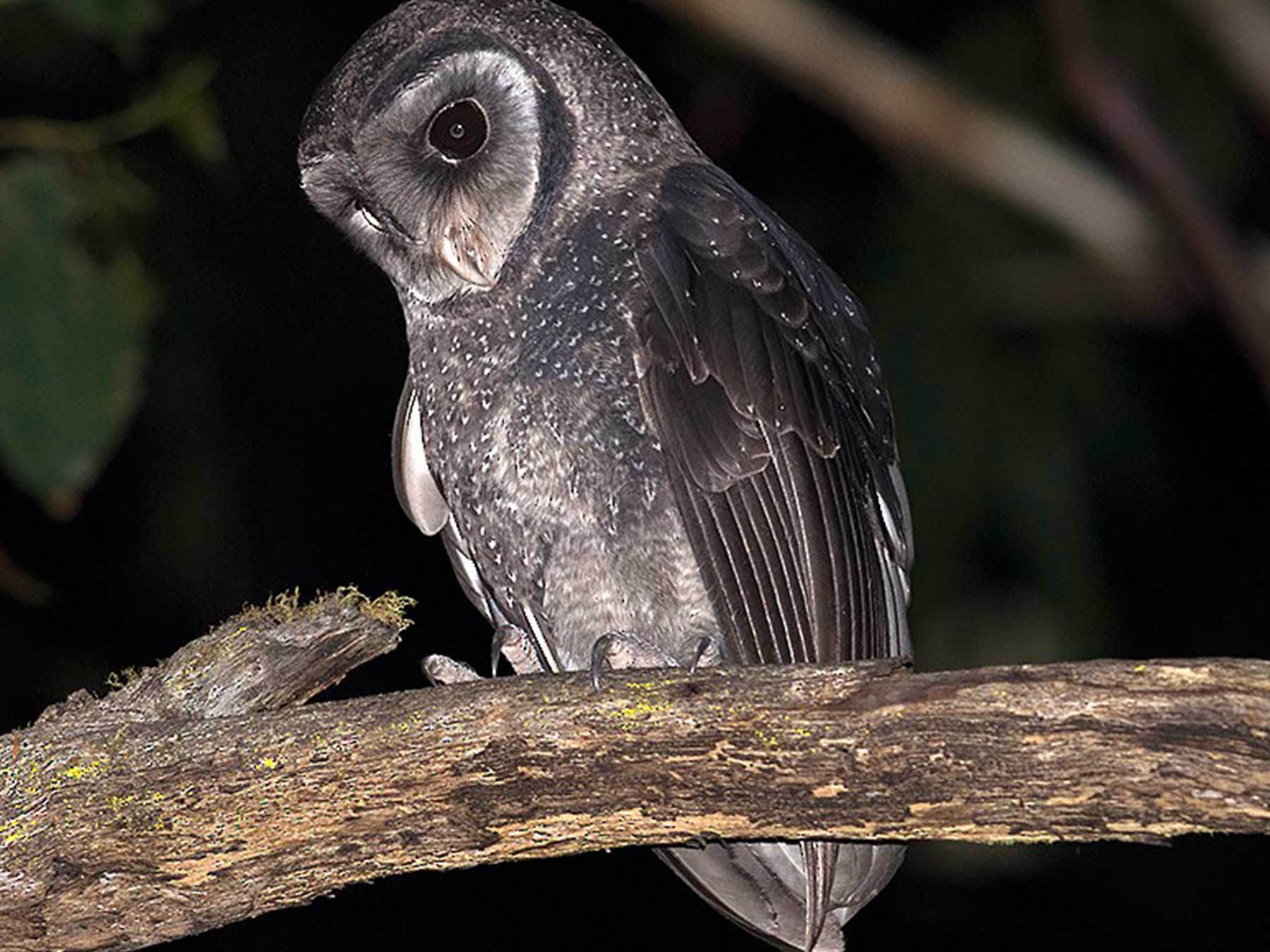
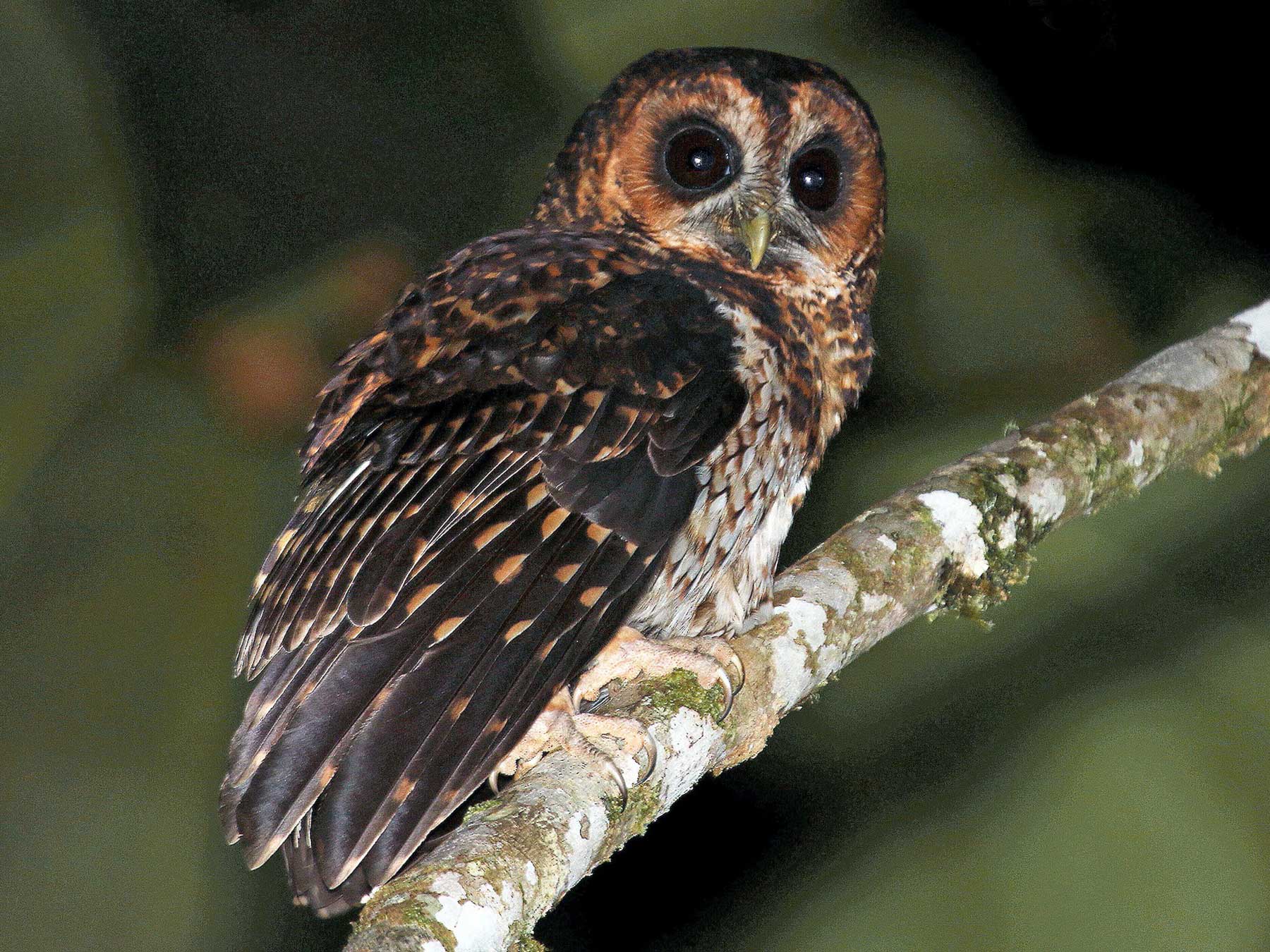
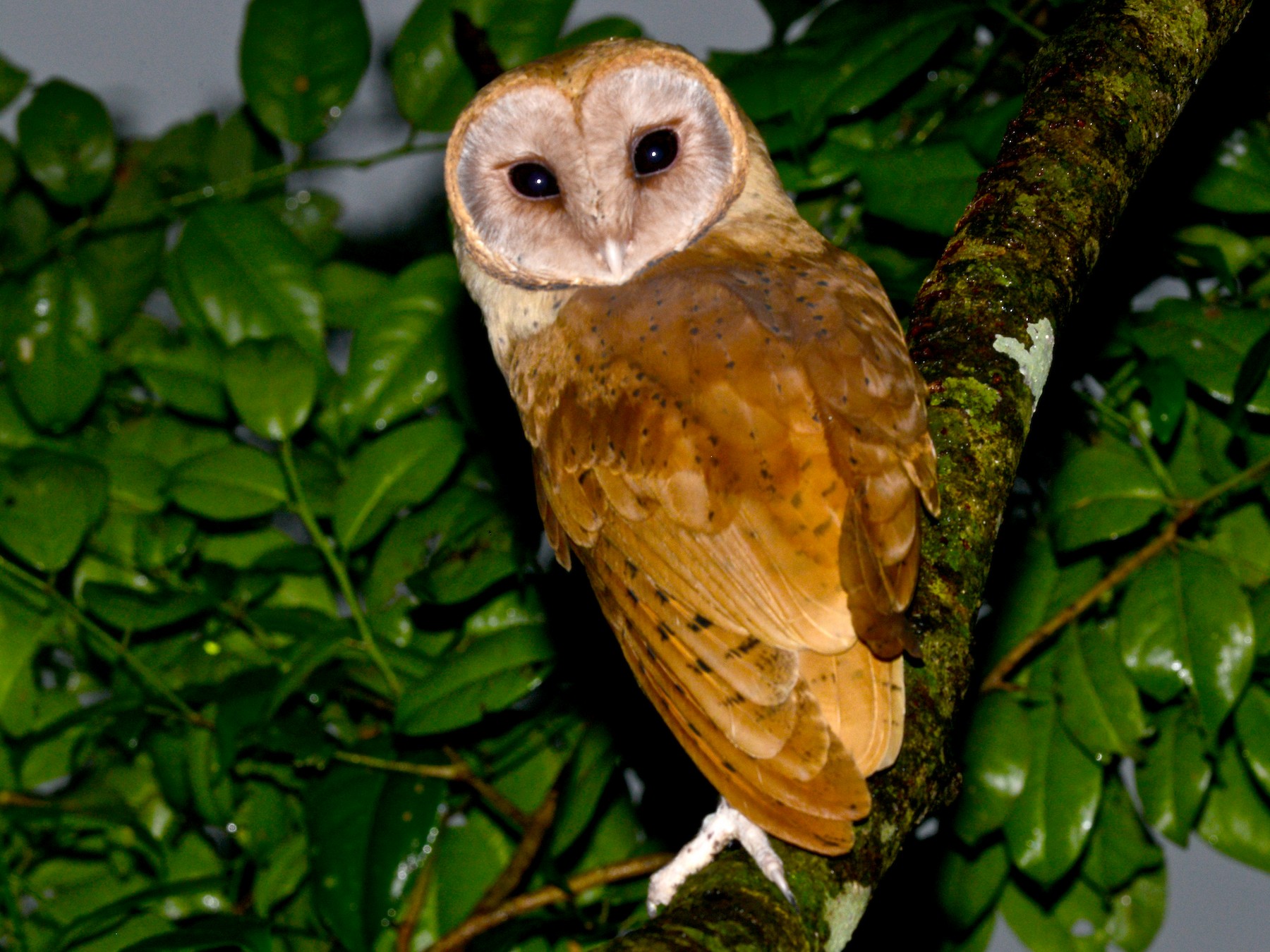
"Black owls are not only symbols of spiritual protection, but they're also symbols of the subconscious mind," says Kirsten. "They call us to look at ourselves holistically and shed any limiting beliefs that are keeping us trapped or stuck in the same old routine or patterns of thinking." Owls can be symbolic of death, and sometimes people may see one before someone passes," says Nancy Mello, animal communicator, psychic, medium, and clairvoyant. But don't let this frighten you because the concept of death can be symbolic, too. "Death doesn't have to be physical," she says, adding that it can be the death of a relationship, for example.If you dream of an owl, you'll want to reflect on how it made you feel and how you felt coming out of the dream. "That's the beginning of finding the most accurate indicator of what Owl might mean for you," says Harmon-Luber.Dreams are full of clues and information, so it's a good idea to take time to write down your owl dream and reflect with a dream journal.When you dream of an owl, sit down and journal everything you remember about the dream: the color of the owl, whether it made a sound, how it made you feel in that moment," recommends Honigman.